


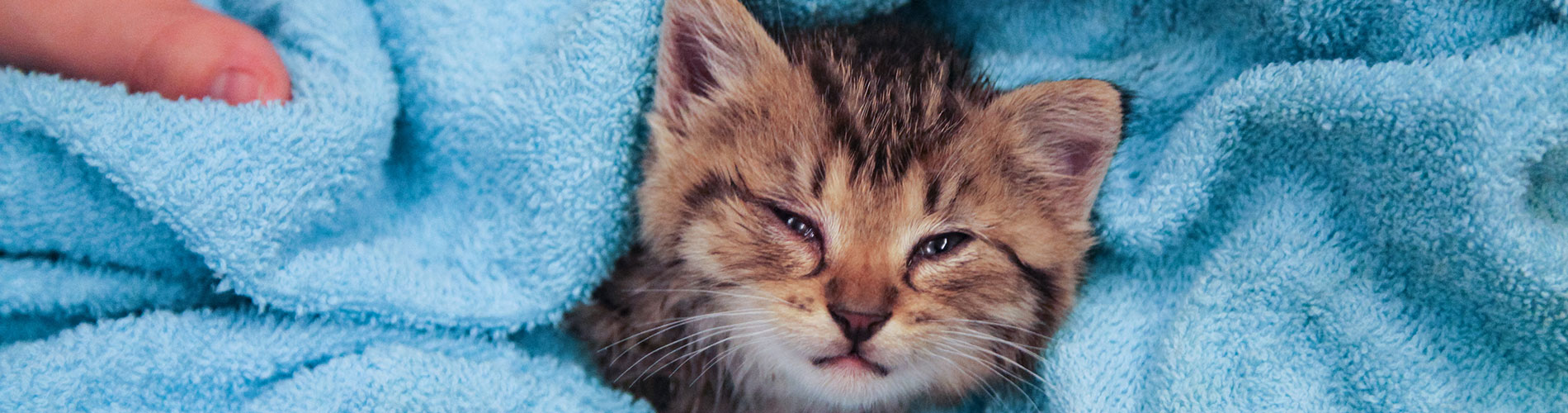
Squinting, Red or Cloudy Eyes in Dogs and Cats: When to See a Vet in St. John’s


Your pet's eyes are delicate, and eye problems in dogs and cats can get worse quickly. A small scratch or irritation that looks minor today can become painful and harder to treat in just a few days. Because pets cannot tell you their eye hurts, it is up to you to spot the signs. Here is a guide from the team at Kenmount Road Animal Hospital in St. John's, NL on the eye symptoms to watch for, when to call, and how we help.
If your pet has an eye injury, a suddenly cloudy eye, or is squinting and pawing at an eye, call us right away at 709-701-2030.
Signs Your Dog or Cat Has an Eye Problem
Book a visit with your veterinarian if you notice any of the following:
- Squinting or holding one eye closed
- Pawing at the eye or rubbing the face on the floor or furniture
- Redness of the eye or eyelids
- Watery, thick or coloured discharge
- A cloudy or hazy look to the eye
- Swelling around the eye
- Eyelashes or eyelids that seem to rub against the eye
- Bumping into things or seeming unsure of their surroundings
- New sensitivity or grumpiness when the face is touched
When an Eye Problem Is Urgent
Eye injuries, a suddenly cloudy eye, and squinting or pawing at the eye are all on our list of signs your pet needs urgent care. Do not wait to see if it gets better on its own. Kenmount Road Animal Hospital offers urgent care during regular business hours, Monday to Friday from 7:30am to 6:00pm, and walk-ins are accepted for emergencies. For after-hours emergencies, contact your nearest 24-hour emergency veterinary clinic.
While you wait, try to stop your pet from rubbing or pawing at the eye, and do not use human eye drops or leftover medications unless a veterinarian tells you to.
Corneal Ulcers: Laila's Story
The cornea is the clear front surface of the eye, and a corneal ulcer is a wound on that surface. One of our patients, Laila, was diagnosed with a corneal ulcer. Her care included having a special contact lens applied, and after three months of dedicated care she fully healed. Today her eyes are healthy and bright. You can read more in From Corneal Ulcer to Bright Eyes.
Laila's recovery is a good reminder that eye problems can take time and consistent follow-up to heal, and that early care makes a real difference.
Entropion and Other Eye Conditions Treated With Surgery
Some eye problems need more than medication. At Kenmount Road Animal Hospital, surgery can correct several eye-related conditions, such as chronic infections or entropion, a condition where the eyelashes damage the cornea. These procedures relieve discomfort, lower the risk of corneal scarring and improve vision, supporting your pet's long-term health and comfort.
Before any surgery, we perform a thorough physical exam and pre-anesthetic testing, and we tailor anesthesia to your pet's needs. We monitor your pet closely during the procedure and provide pain relief during recovery. For complex surgeries that need specialized equipment or expertise, we may refer your pet to a board-certified veterinary surgeon.
What to Expect When You Bring Your Pet In
- A careful exam. Our veterinarians examine the eye, the eyelids and the area around them, and ask about when the problem started.
- Diagnostics when needed. Depending on what we find, we may recommend diagnostic testing to look for underlying causes.
- A clear plan. We explain what is going on and build a treatment plan around your pet's needs. If treatment is required, we provide a detailed estimate and review your options first.
- Follow-up care. Eye problems often need rechecks. Follow-up visits help us make sure treatment is working and adjust it as needed.
How to Protect Your Pet's Eyes at Home
- Check your pet's eyes during cuddle time for redness, discharge or cloudiness.
- Keep hair around the eyes tidy. Our groomer offers face trims at KRAH Grooming Spa.
- Act quickly. Call at the first sign of squinting or pawing at the eye.
- Keep up with yearly wellness exams, where our veterinarians do a detailed physical check and can spot problems early.
Frequently Asked Questions About Eye Problems in Pets
Is a squinting eye in a dog or cat an emergency?
Squinting and pawing at the eye, an eye injury or a suddenly cloudy eye are signs your pet should be seen right away. Call us at 709-701-2030 during our hours, or your nearest 24-hour emergency veterinary clinic after hours.
What is entropion?
Entropion is a condition where the eyelashes damage the cornea. Surgery can correct it, which relieves discomfort, lowers the risk of corneal scarring and improves vision.
How long does a corneal ulcer take to heal?
It depends on the ulcer and the pet. Our patient Laila fully healed from her corneal ulcer after three months of dedicated care, which included wearing a special contact lens. Our veterinarians will recommend follow-up visits to make sure treatment is working.
Can I use human eye drops on my pet?
Please do not use human eye drops or leftover medications unless a veterinarian tells you to. Call us first so we can examine the eye and recommend the right treatment.
What if my pet's eye problem needs a specialist?
If your pet needs care beyond our general practice, we can refer you to a board-certified veterinary specialist and work closely with them on your pet's care.
Concerned About Your Pet's Eyes?
Our team in St. John's is here to help. Call us at 709-701-2030 or book an appointment online. New to our hospital? Visit our new clients page to get started.
Related reading: Found a Lump on Your Dog or Cat? Soft Tissue and Eye Surgery in St. John's and Urgent Vet Care in St. John's.
Kenmount Road Animal Hospital is located at 173 Kenmount Road, St. John's, Newfoundland, A1B 3P9, and is open Monday to Friday from 7:30am to 6:00pm. This article is for general information and does not replace an exam by a veterinarian.


The Latest
Ensure a Safe and Merry Holiday Season for Your Pets with These Important Tips for Pet-Friendly Celebrations and Decorations.
Discover the importance of pet grooming beyond aesthetics, ensuring a healthy coat, skin, and overall well-being for your furry friend.
Essential tips for welcoming your new kitten to ensure a smooth transition and optimal care in their forever home.