


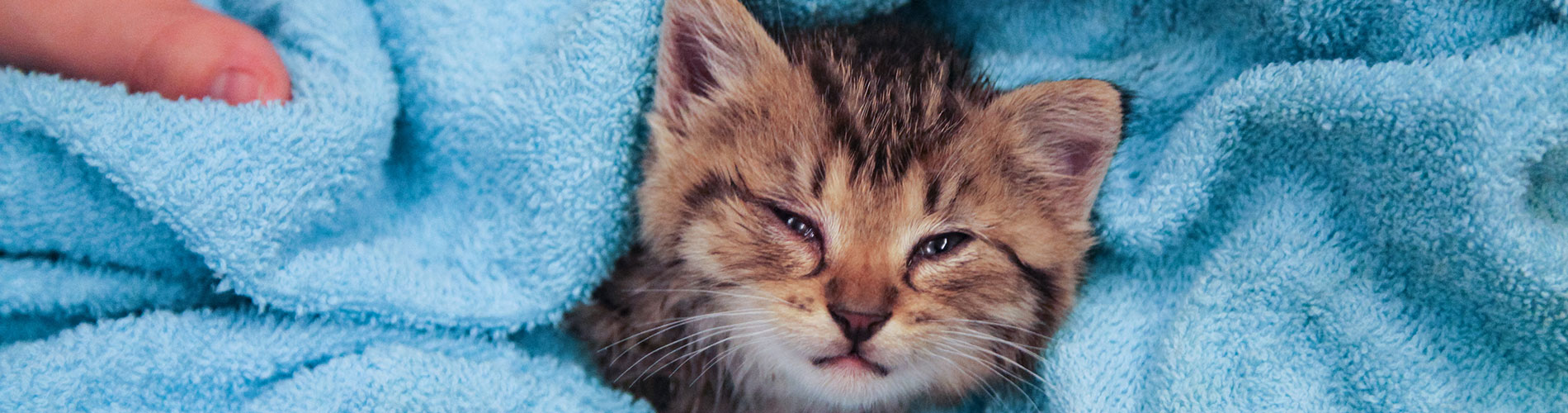
Why Is My Dog Limping? When to Call the Vet and How We Find the Cause


Your dog is holding up a paw, moving slower on walks or struggling to get up after a nap. A limp is one of the clearest signs that something hurts, and it can range from a minor paw injury to a broken bone. Cats limp too, although they are experts at hiding pain. Here is a guide from Kenmount Road Animal Hospital in St. John's, NL on common causes of limping, when to call, and how our veterinarians find the problem.
If your pet cannot put any weight on a leg or was injured in a fall, a fight or a car accident, call us right away at 709-701-2030.
Common Reasons Dogs and Cats Limp
- Paw problems, such as cuts, torn or overgrown nails, or something stuck between the toes
- Sprains and strains from running, jumping or rough play
- Injuries from a fall, a fight with another animal or being hit by a car
- Fractures (broken bones)
- Joint problems and stiffness, which can become more common as pets get older
- Extra weight, which adds strain to joints
Some of these are easy to spot, while others need an exam and imaging to diagnose.
When a Limp Needs Urgent Care
Call us right away if your pet:
- Will not put any weight on a leg
- Was injured in a fall, a fight or by a car, even if they seem fine afterwards
- Shows signs of severe pain, such as crying out, hiding, panting or refusing to move
- Has bleeding that does not stop within a few minutes
- Has a swollen leg, or a leg held at an unusual angle
- Collapses, or has sudden weakness or cannot stand
Kenmount Road Animal Hospital offers urgent care during regular business hours, Monday to Friday from 7:30am to 6:00pm, and walk-ins are accepted for emergencies. After hours, contact your nearest 24-hour emergency veterinary clinic. Handle an injured pet carefully: pets in pain may bite, even if they are usually gentle.
What You Can Do at Home
- Limit activity. Keep your pet calm and quiet, and avoid running, jumping and stairs until they are checked.
- Check the paw gently for cuts, broken nails or anything stuck between the toes, but only if your pet allows it.
- Do not give human pain medication. Human medications are a common household toxin for pets. Our veterinarians can recommend safe pain relief.
- Book an exam if a mild limp does not improve within a day or two, or keeps coming back.
How Our Veterinarians Find the Cause
Finding out why your pet is limping starts with a thorough physical exam. Our veterinarians watch how your pet walks and stands, check the affected leg and paw, and may assess joint mobility. We will also ask when the limp started and whether anything happened beforehand.
Our in-house diagnostics help us see what is going on beneath the surface. Digital radiography (x-rays) captures accurate images of internal structures, making it easier to detect fractures and other abnormalities. Our in-house laboratory can analyze blood, urine and other samples when needed. Our veterinarians interpret the results, explain the findings clearly and work with you on a treatment plan. Learn more in our guide to pet x-rays and lab testing in St. John's.
Treatment Options
Treatment depends on the cause and is tailored to your pet's health and lifestyle. It may include pain relief, medication, wound care or surgery. Before any procedure, we provide a detailed estimate and review your options with you. For complex surgeries that require specialized equipment or expertise, we may refer your pet to a board-certified veterinary surgeon.
After treatment, we send you home with detailed aftercare instructions and recommend follow-up visits when needed, so we can make sure your pet is healing well and adjust the plan if necessary.
Helping Your Pet Stay Comfortable and Active
- Keep nails trimmed. Regular nail trims keep pets comfortable and help prevent problems like ingrown nails. KRAH Grooming Spa offers nail trims and paw trims.
- Maintain a healthy weight. Our veterinarians provide dietary guidance for your pet's age, breed, size and health, and recommend supplements or prescription diets when needed. Read more about pet obesity.
- Get the right exercise. We offer individualized advice on exercise routines based on your pet's age, breed, activity level and medical history.
- Keep up with wellness exams. Yearly wellness exams help catch problems early. Senior pets may need more frequent checkups.
Frequently Asked Questions About Limping in Pets
Should I take my dog to the vet for a limp?
If your dog will not put weight on a leg, was hurt in a fall, fight or car accident, or seems to be in severe pain, call us right away at 709-701-2030. For a mild limp that does not improve within a day or two, or that keeps coming back, book an exam so we can find the cause.
Can I give my dog human pain medication for a limp?
No. Please do not give your pet human medications. Human medications are a common household toxin for pets. Our veterinarians can recommend pain relief that is safe for your pet.
Do you take x-rays for limping pets?
Yes. Our hospital uses digital radiography, which captures accurate images of internal structures and makes it easier to detect fractures and other abnormalities.
What if my pet needs orthopedic surgery?
We offer a variety of surgical services, and for complex surgeries that require specialized equipment or expertise, we may refer your pet to a board-certified veterinary surgeon.
Can cats limp too?
Yes. Cats can limp for many of the same reasons as dogs, but they often hide pain. If your cat is limping, jumping less or hiding more, call us to book a visit.
Get Your Limping Pet Checked in St. John's
Our team is here to help your pet move comfortably again. Call us at 709-701-2030 or book an appointment online. New to our hospital? Visit our new clients page.
Related reading: Senior Pet Care in St. John's and Urgent Vet Care in St. John's.
Kenmount Road Animal Hospital is located at 173 Kenmount Road, St. John's, Newfoundland, A1B 3P9, and is open Monday to Friday from 7:30am to 6:00pm. This article is for general information and does not replace an exam by a veterinarian. If you believe your pet is in danger, call a veterinarian immediately.


The Latest
Ensure a Safe and Merry Holiday Season for Your Pets with These Important Tips for Pet-Friendly Celebrations and Decorations.
Discover the importance of pet grooming beyond aesthetics, ensuring a healthy coat, skin, and overall well-being for your furry friend.
Essential tips for welcoming your new kitten to ensure a smooth transition and optimal care in their forever home.